
How Precast Concrete Improves Sound Control and Reduces Noise Transmission in Commercial Buildings
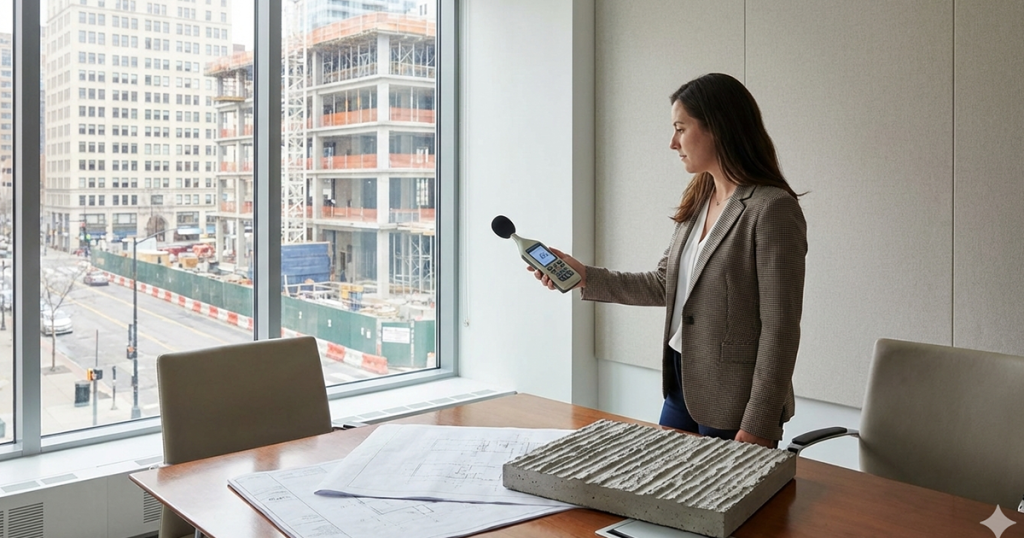
Why Sound Control Matters in Modern Commercial Design Noise affects comfort, productivity, safety, and overall building performance. Offices need quiet workspaces. Schools need low noise levels for learning. Hospitals need calm environments for patient recovery. Retail and mixed use spaces require sound separation to keep tenants satisfied. Traditional wall systems like metal studs, wood framing, […]
How Precast Concrete Supports Better Thermal Performance and Energy Efficiency in Commercial Buildings
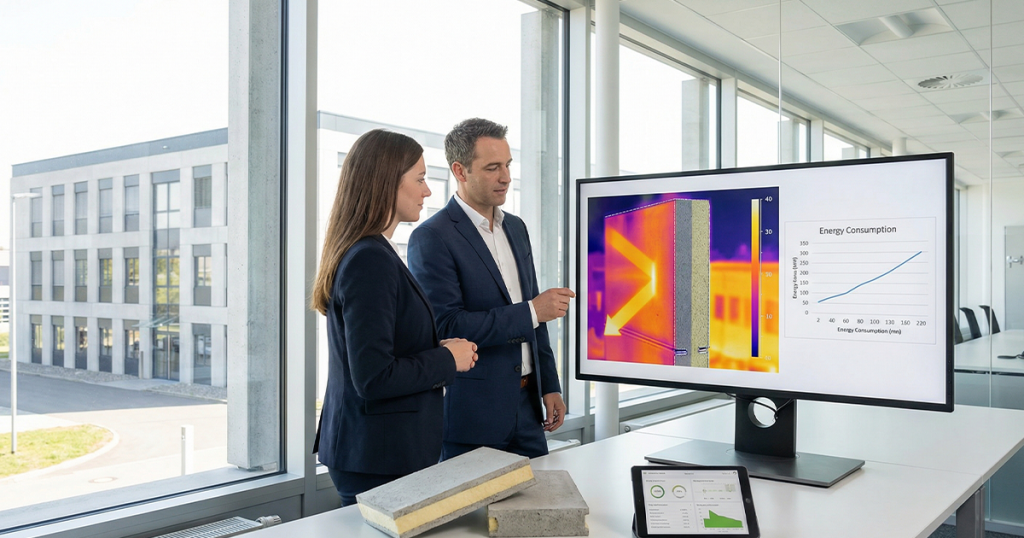
Why Energy Efficiency Matters for Modern Commercial Projects Energy efficiency influences operating costs, occupant comfort, sustainability goals, and long term asset value. Building owners are increasingly focused on insulation quality, thermal stability, and reducing HVAC loads. Traditional materials like metal panels, wood framing, and lightweight cladding often struggle to regulate temperature due to air gaps, […]
How Precast Concrete Improves Fire Resistance and Enhances Building Safety
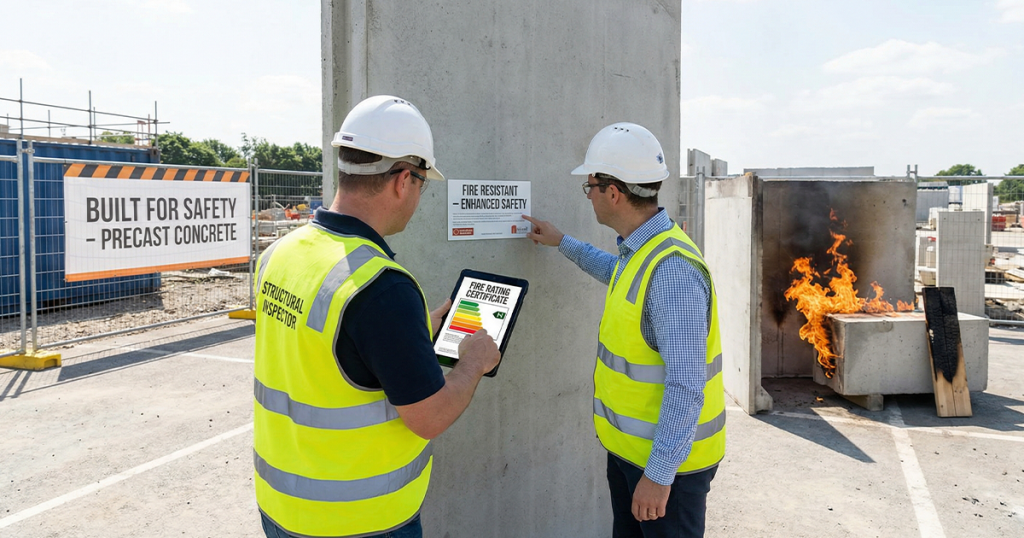
Why Fire Resistance Matters in Commercial Construction Fire safety is one of the most important structural considerations for commercial buildings. Building owners, developers, and facility managers must ensure that materials can withstand high temperatures, protect occupants, and prevent structural collapse. Traditional materials like wood framing, metal cladding, and lightweight panels deteriorate quickly when exposed to […]
How Precast Concrete Strengthens Building Security and Improves Resistance to Forced Entry
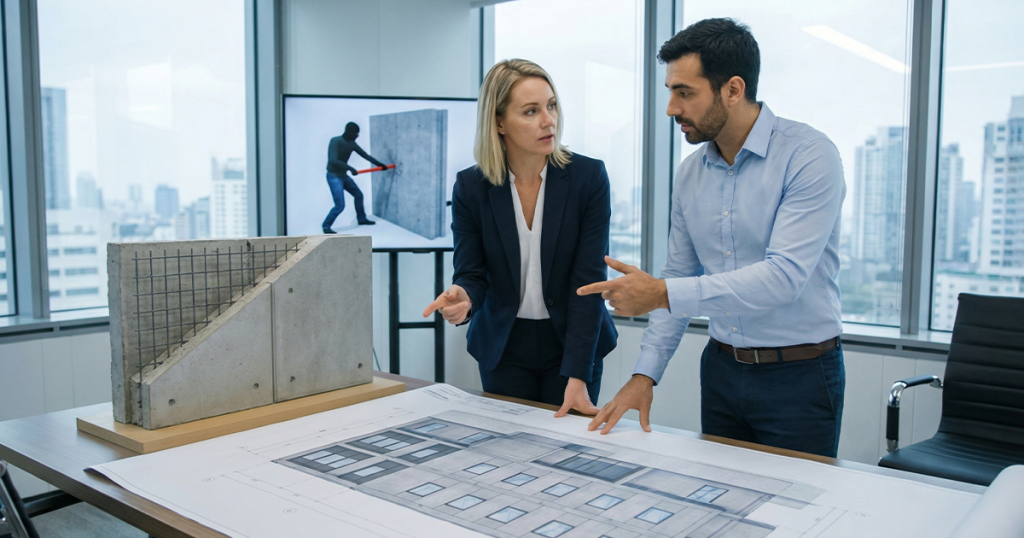
Why Building Security Matters in Modern Commercial Construction Commercial buildings must protect occupants, inventory, equipment, and assets. Security requirements have increased across retail, industrial, municipal, and educational facilities. Traditional construction materials like wood framing or lightweight panels leave buildings vulnerable to forced entry, impact, and vandalism. Precast concrete strengthens building security by providing dense, engineered […]
How Precast Concrete Reduces Onsite Labor Requirements and Improves Workforce Efficiency
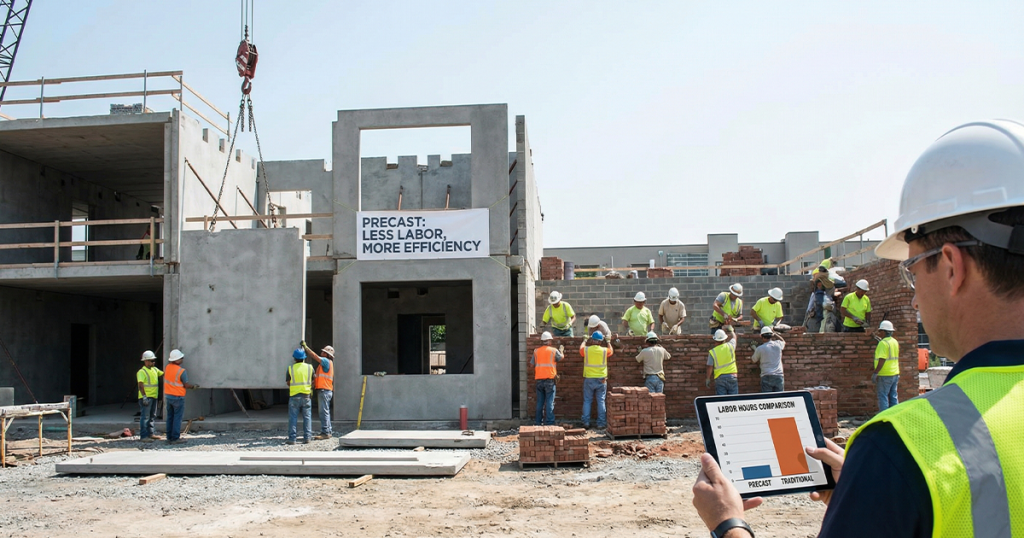
Why Labor Efficiency Drives Project Profitability Labor remains one of the largest and most unpredictable costs in commercial construction. Skilled trades are difficult to schedule, field conditions change daily, and productivity swings create unexpected delays. Traditional concrete relies heavily on large crews for forming, pouring, finishing, and curing tasks. These steps require long hours, specialized […]
How Precast Concrete Improves Moisture Control and Prevents Long Term Water Damage in Commercial Buildings
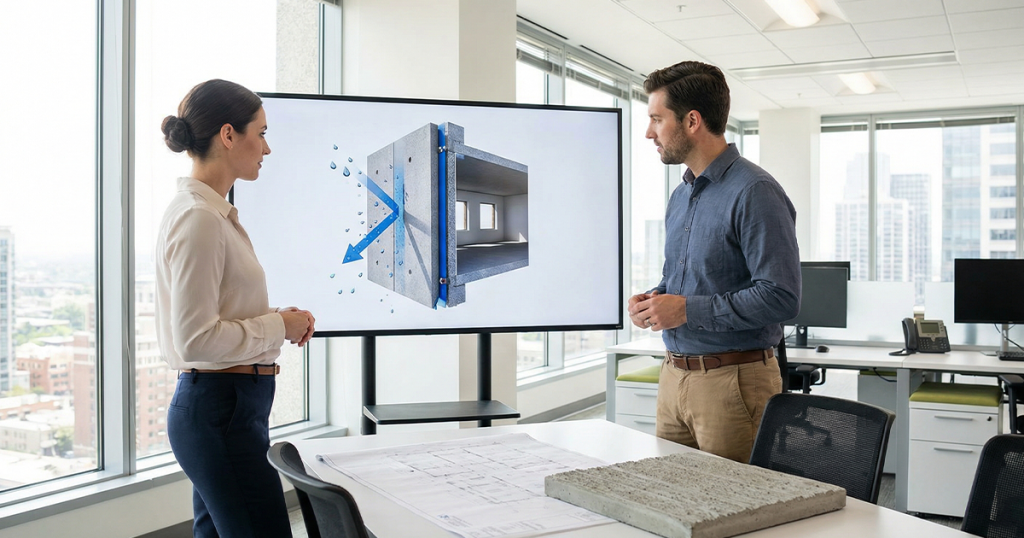
Why Moisture Control Is Critical for Building Longevity Moisture is one of the most destructive forces in commercial construction. Water intrusion weakens structures, damages interiors, creates mold, accelerates material decay, and increases maintenance costs. Traditional concrete absorbs moisture during curing, remains porous, and relies heavily on field craftsmanship for waterproofing success. Precast concrete offers a […]
How Precast Concrete Improves Cost Predictability and Reduces Budget Overruns in Commercial Construction
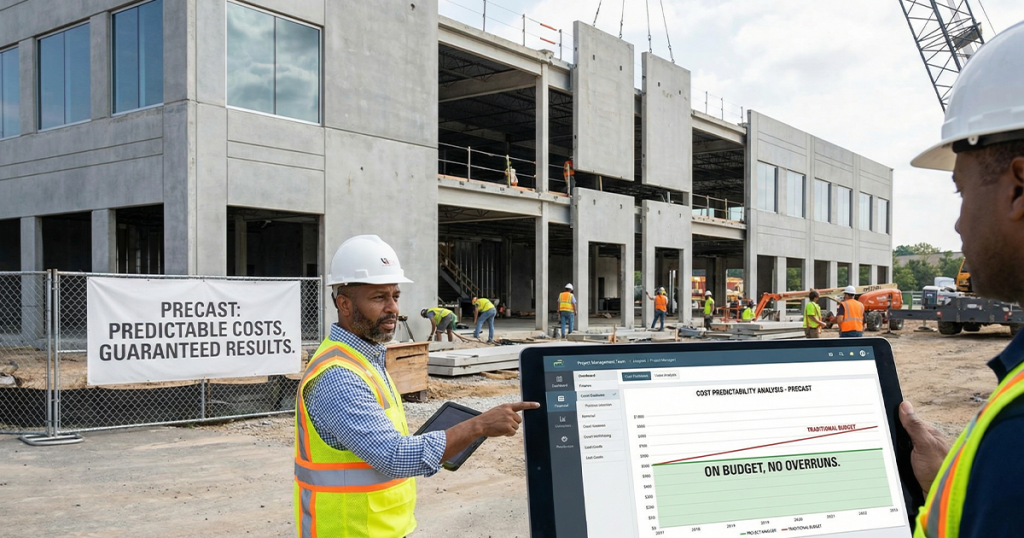
Why Cost Predictability Matters for Developers and General Contractors Budget overruns create financial pressure, delay project delivery, and reduce profitability for developers, owners, and investors. Traditional concrete introduces unpredictable variables such as weather delays, labor swings, fluctuating material quantities, and rework from inconsistent craftsmanship. These factors make it harder for contractors to maintain stable budgets. […]
How Precast Concrete Supports Faster Tenant Turnover and Earlier Revenue for Developers

Why Tenant Turnover Speed Matters for Developers Commercial developers rely on predictable construction timelines to meet leasing commitments, tenant improvement schedules, and revenue targets. Slow structural phases delay every downstream activity from MEP installation to interior buildout and final occupancy inspections. Traditional concrete extends timelines because it requires forming, pouring, curing, and rework when field […]
How Precast Concrete Reduces Waste and Supports More Sustainable Construction Practices
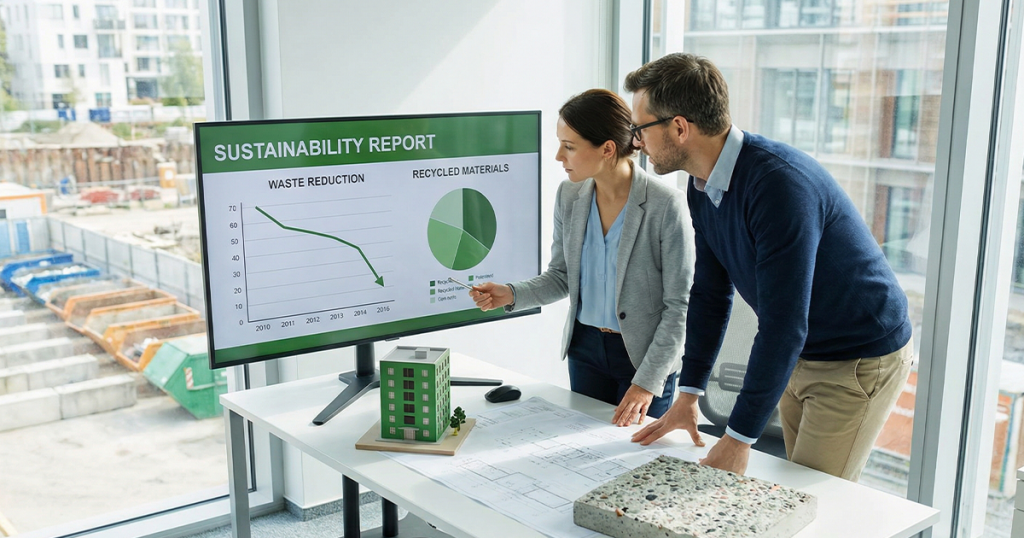
Why Waste Reduction Matters in Commercial Construction Construction waste increases landfill impact, raises disposal costs, and slows project timelines. Traditional concrete work creates significant waste due to formwork scraps, excess rebar, leftover mix, damaged materials, and curing defects. As sustainability becomes a priority for developers and regulatory agencies, reducing waste is both environmentally responsible and […]
How Precast Concrete Improves Structural Safety and Reduces Long Term Risk for Commercial Buildings
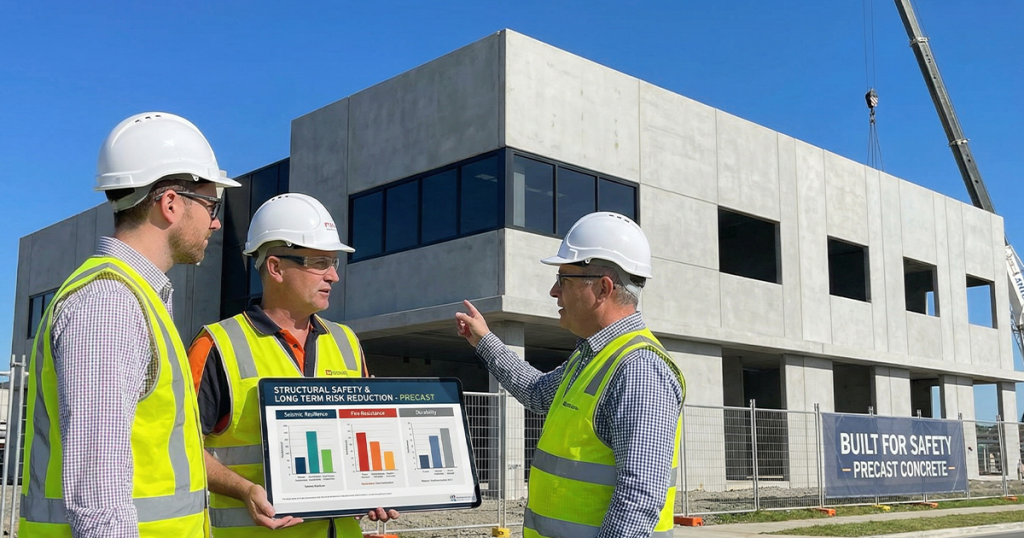
Why Structural Safety Is a Top Priority in Commercial Construction Structural safety affects every part of a building’s performance. Developers want materials that protect occupants, withstand environmental stress, and maintain integrity over decades. Traditional site poured concrete introduces multiple variables that can weaken structural reliability including curing conditions, inconsistent mixes, and field craftsmanship variations. Precast […]