
How Precast Concrete Improves Contractor Safety and Reduces Jobsite Hazards
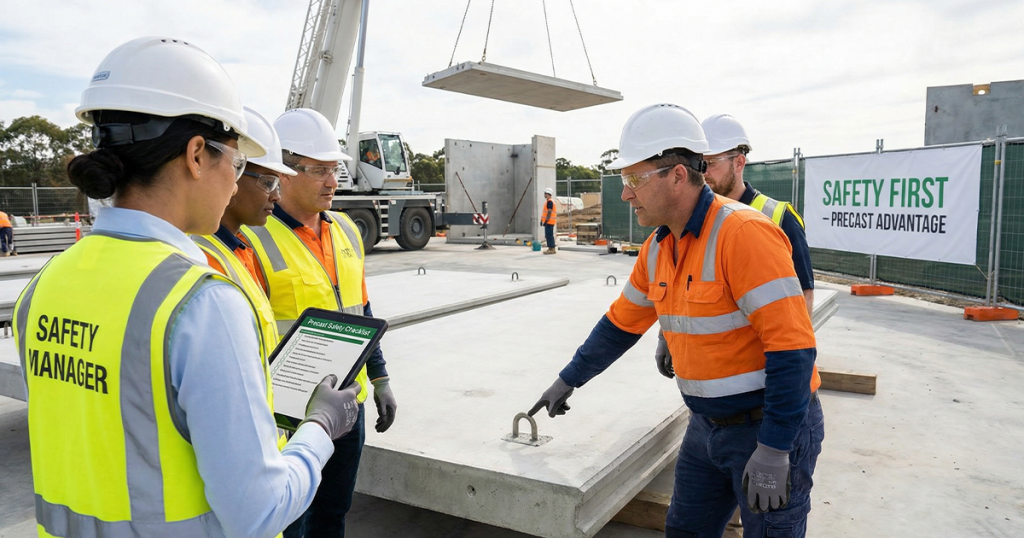
Why Contractor Safety Determines Project Success A safe jobsite reduces injuries, prevents delays, lowers insurance costs, and strengthens contractor performance. Traditional concrete introduces hazards through heavy manual labor, wet material handling, complex formwork, elevated work, and long onsite timelines. These risks increase exposure for workers and raise liability for developers. Precast concrete reduces many of […]
How Precast Concrete Improves Insurance Outcomes and Strengthens Risk Management for Commercial Buildings

Why Insurance Risk Matters for Developers and Building Owners Insurance premiums represent a significant ongoing cost for commercial properties. Underwriters assess risk based on fire resistance, structural reliability, environmental exposure, maintenance history, and long term performance. Traditional construction materials increase risk due to vulnerability to fire, moisture, impact, and aging. Precast concrete reduces these risks […]
How Precast Concrete Strengthens Structural Consistency Across Multi Building Developments
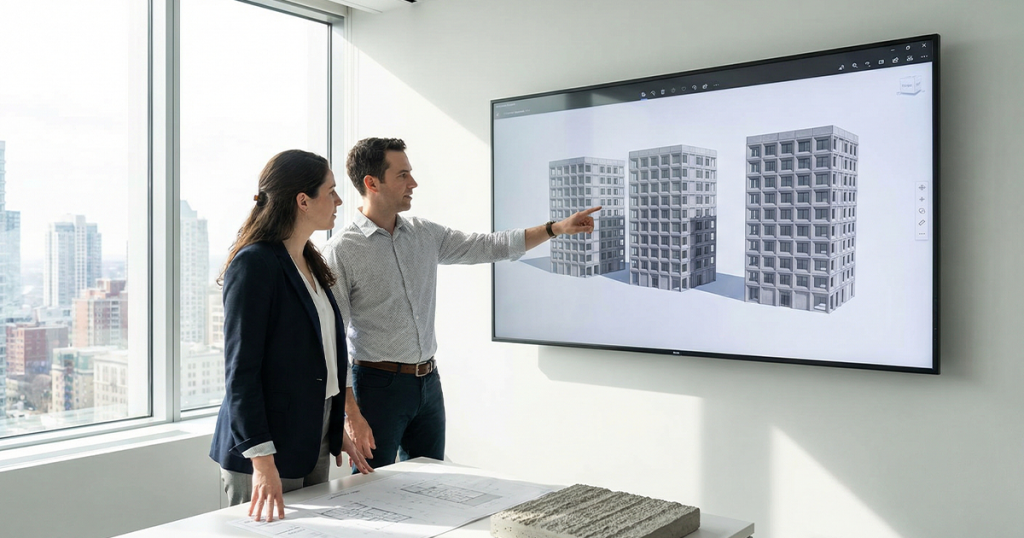
Why Multi Building Projects Require High Structural Consistency Commercial campuses, industrial parks, distribution centers, school districts, and multi building retail sites all depend on structural consistency to achieve predictable performance, simplified maintenance, and efficient construction workflows. Traditional concrete often varies from building to building due to field craftsmanship, curing conditions, and weather. These variations make […]
How Precast Concrete Reduces Site Disruptions and Minimizes Impact on Surrounding Communities
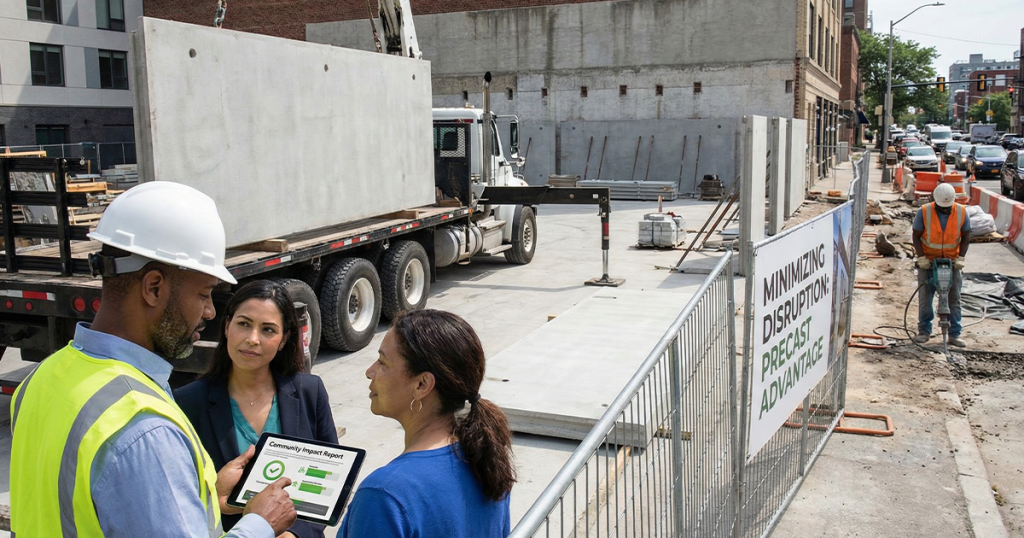
Why Reducing Site Disruption Matters for Developers and Municipalities Construction impacts more than the jobsite. Noise, dust, traffic congestion, and extended timelines affect nearby businesses, residents, and public infrastructure. Cities increasingly require contractors to limit disruptions, shorten construction windows, and control environmental impact. Traditional concrete contributes to disruption due to large crews, multiple deliveries, onsite […]
How Precast Concrete Improves Construction Sequencing and Eliminates Bottlenecks Across the Jobsite
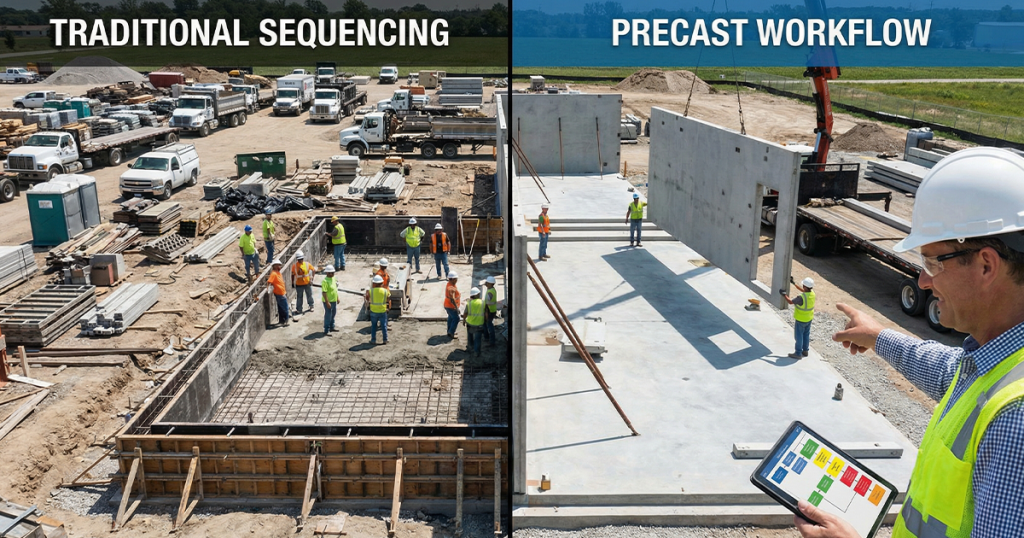
Why Construction Sequencing Determines Overall Project Efficiency Every commercial project depends on clear sequencing. When one task falls behind, the entire schedule cascades into delays, trade conflicts, and cost overruns. Traditional concrete contributes to sequencing problems because it relies on forming, pouring, curing, and rework. These steps create unpredictable timing and force other trades to […]
How Precast Concrete Reduces Punch List Items and Supports Cleaner Turnover for Contractors
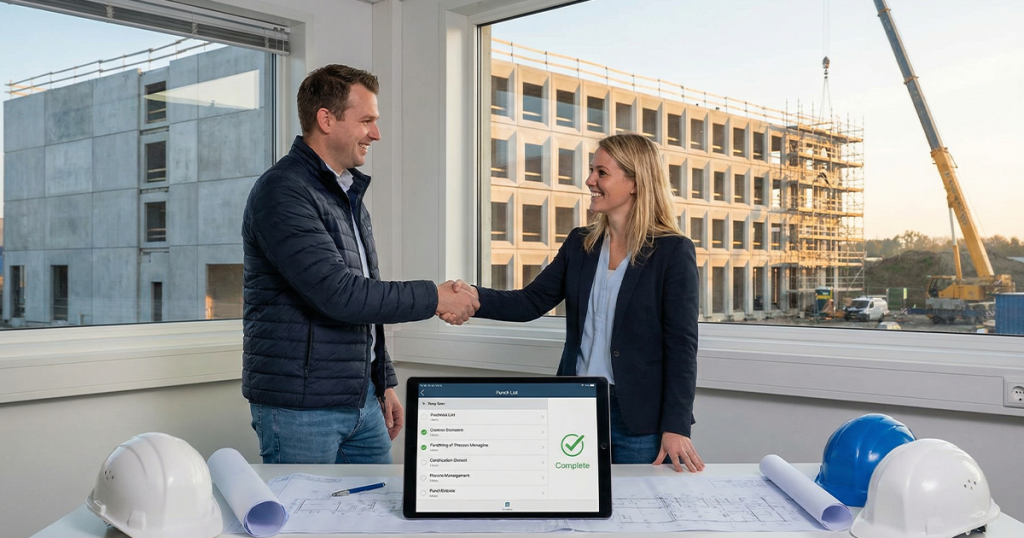
Why Punch List Control Matters for Developers and General Contractors Punch lists slow down final turnover, delay tenant move in, extend subcontractor commitments, and increase labor costs. They represent the small but critical fixes that accumulate when field craftsmanship or site conditions create imperfections. Traditional concrete work often results in numerous punch list items due […]
How Precast Concrete Enhances Architectural Design Flexibility and Improves Aesthetic Outcomes
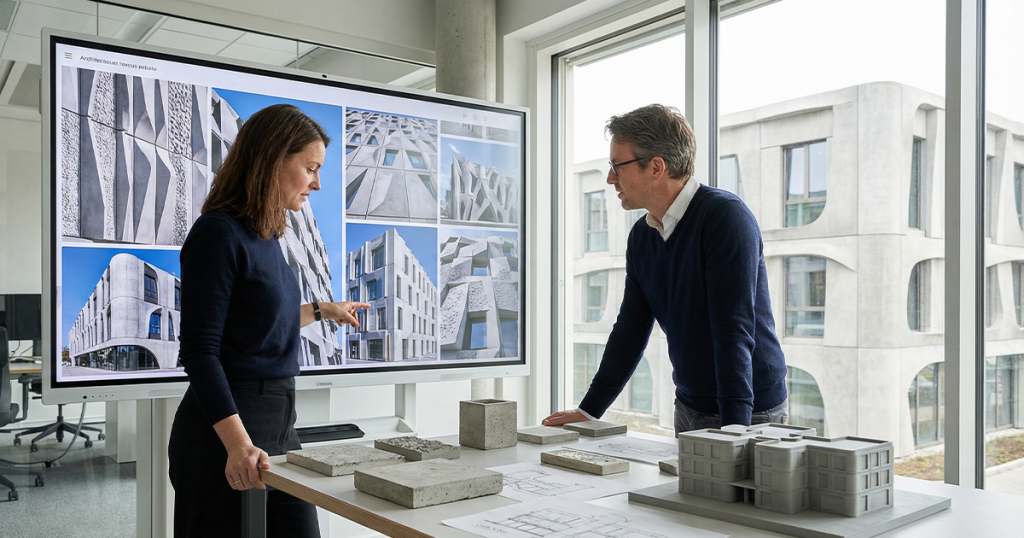
Why Aesthetic Flexibility Matters in Modern Commercial Development Developers and architects want buildings that are functional, durable, and visually compelling. Traditional structural materials often limit design options due to field variability, curing issues, and restricted surface finishes. Precast concrete enhances creative freedom by combining structural performance with customizable aesthetics, reliable dimensions, and consistent finishes. It […]
How Precast Concrete Improves Structural Longevity and Reduces Lifecycle Maintenance Costs
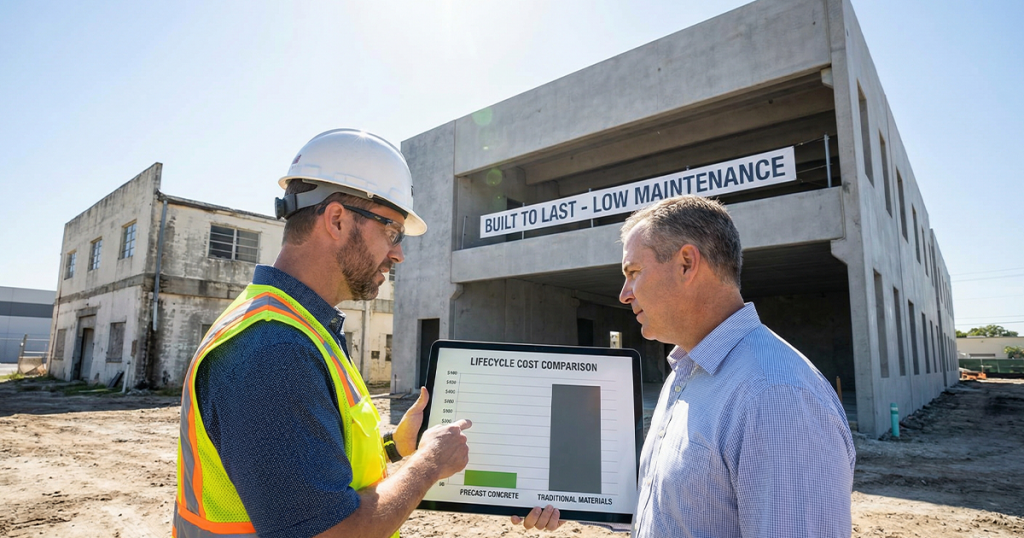
Why Long Term Durability Matters for Commercial Buildings Commercial real estate must perform for decades. Owners, developers, and facility managers want materials that resist wear, maintain structural integrity, and reduce the need for ongoing repairs. Traditional concrete is highly dependent on field conditions, curing behavior, and craftsmanship. Variability in these factors can weaken durability over […]
How Precast Concrete Improves Coordination With MEP Trades and Reduces Mechanical Conflicts
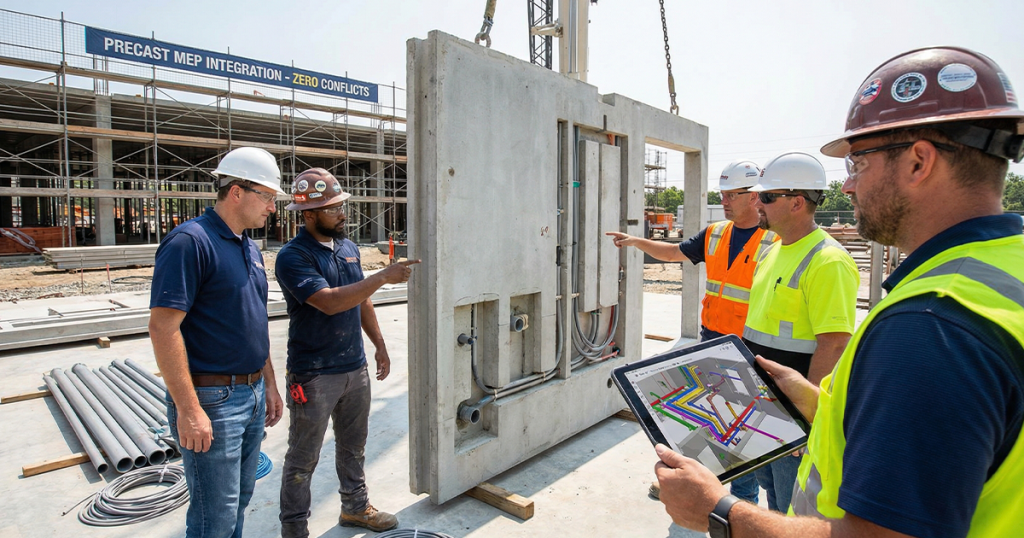
Why MEP Coordination Drives Project Efficiency Mechanical, electrical, and plumbing systems form the operational backbone of every commercial building. When these trades face unclear dimensions, inconsistent wall conditions, or last minute structural changes, the entire project slows down. Traditional concrete often creates field variables that complicate MEP installation including inconsistent slab edges, unpredictable wall openings, […]
How Precast Concrete Reduces Risk During Winter Construction and Improves Cold Weather Project Performance
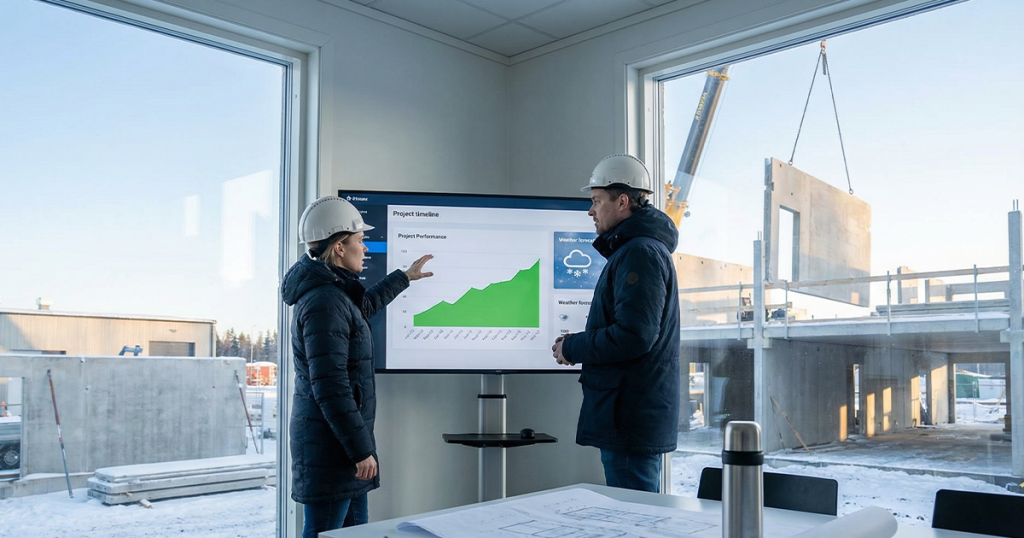
Why Winter Construction Creates Cost, Safety, and Schedule Challenges Cold weather introduces major risks in commercial construction. Traditional concrete depends on warm temperatures to cure properly. Freezing conditions slow hydration, weaken strength development, and increase cracking risk. Crews must protect pours with blankets, heaters, and extended curing times, which raises costs and disrupts schedules. Precast […]